In the popular TV series Stranger Things, five young main characters are portrayed as children who are never given the chance to grow at a natural pace. Beyond the mystery and supernatural elements, the series quietly explores emotional expression and handwriting as subtle reflections of how pressure shapes the way individuals respond to their world. Instead of spending their days riding bicycles with friends and easing into childhood, they are forced to confront unfamiliar fears they cannot fully comprehend. The world around them moves too fast, feels too dark and demands far more than they are emotionally prepared to give.
Pressure arrives abruptly. There is no safe pause to process emotion. When life offers no opportunity to stop, they are pushed toward one essential lesson, which is survival. Survival here does not mean living without fear. It means learning to adapt as quickly as possible, even before they are truly ready to face what lies ahead.
When Pressure Changes How Expression Works
Research published in Frontiers in Psychology shows that stress can impair executive brain functions, including the ability to plan, think ahead and adapt flexibly. Under pressure, the brain tends to respond reactively rather than reflectively or with conscious control. As a result, prolonged pressure influences not only decision-making, but also the way a person expresses themselves.

Eleven Picture
In Stranger Things, we witness how characters enter survival mode such as an emotional state in which endurance becomes the priority. Take Eleven as an example. From an early age, she was never taught how to express emotion in order to be understood by others. She learned only how to express emotion in order to survive. Anger, fear and sadness were never safe spaces for her, they were danger signals that had to be tightly controlled. Survival mode shifts the function of expression. Expression is no longer a tool for self-recognition, but a mechanism of self-protection. Emotion is not processed, it is redirected, as the body and mind learn to adapt at speed. This is where emotional expression and handwriting become closely connected, as both can quietly reflect how the mind adapts under prolonged pressure.
When Expression Becomes Functional
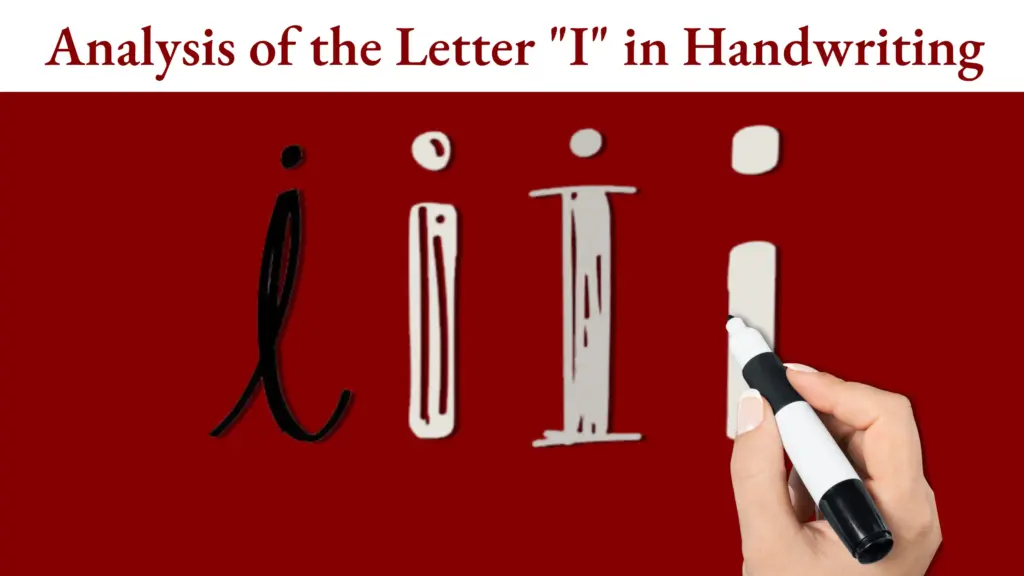
When emotional expression finds no verbal place, the body instinctively seeks another path. One of those paths is handwriting. Handwriting is not merely a motor action. It is the result of collaboration between thought, emotion and the nervous system. When someone lives in survival mode, handwriting often becomes purely functional, which is sufficient to work, sufficient to communicate, but stripped of expressive freedom. In this sense, emotional expression and handwriting are not separate elements, but intertwined forms of how the body processes survival.

Will Byers Picture
This reflection can be seen in a character like Will Byers. Will rarely expresses his emotions directly. He survives through silence, adjustment and by not becoming a burden to others. In real life, patterns like this are often mirrored in handwriting that appears restrained and unassuming, neither extreme nor attention seeking. Yet, carries subtle tension beneath the surface.
When Survival Mode Lasts Too Long
The challenge is that survival mode is not designed for long-term living. It is effective for endurance, but not for growth. When someone remains in this state for too long, self-expression gradually loses its flexibility. Emotions still exist, but they are no longer clearly recognized or articulated.

Joyce Byers Picture
Characters like Joyce Byers embody this impact. Functionally, Joyce appears strong and alert. Yet beneath that strength lies a long accumulation of emotional pressure. She keeps moving forward, rarely pausing, rarely allowing space for herself. In handwriting, this condition is often reflected in writing that looks controlled, even neat but quietly holds emotional fatigue within its structure. This is not a sign of weakness, but of adaptation that has been working without rest for too long.
From Survival to Awareness
Stranger Things reminds us that pressure can profoundly shape a person, but awareness determines the direction of growth. Awareness can begin with something as small as handwriting, an unconscious form of expression that offers insight into whether we are still operating in survival mode, or beginning to create space for more conscious living.
Reading handwriting is not about searching for flaws. It is about understanding how someone has survived and whether that mode is still needed today. Because survival is essential. But growth requires space. You can learn it by following the Sunday Lesson.