In an age defined by instant communication and digital efficiency, handwriting has quietly faded into the background of our daily lives. A once-unquestioned part of human expression has been replaced by the speed and precision of keyboards and touchscreens. Most of us type our thoughts, sign our names digitally, and jot notes into our phones. It feels practical, modern, and convenient. But beneath this technological shift lies a quiet loss, one that affects not only how we write, but how we think, feel, and connect with ourselves and the world around us.
Writing by hand is not just a mechanical task; it is a deeply cognitive and emotional process. When you form each letter, your brain activates regions responsible for motor control, language, and memory. Neuroscientists have found that the act of handwriting strengthens neural pathways related to learning and comprehension. This is because handwriting forces you to slow down, to process words and ideas as they take shape on the page. Unlike typing, handwriting creates a tangible connection between thought and motion. Each word becomes a small act of reflection, shaped by intention and emotion.

This slower pace of handwriting is, paradoxically, what makes it so powerful. A well-known study by Mueller and Oppenheimer (2014) from Princeton and UCLA shows that students who take handwritten notes remember material better than those who type. When typing, it’s easy to transcribe information word-for-word without truly understanding it. Writing by hand, on the other hand, compels you to summarize, interpret, and internalize. It transforms passive listening into active thinking. In short, handwriting doesn’t just record your thoughts, it helps create them.
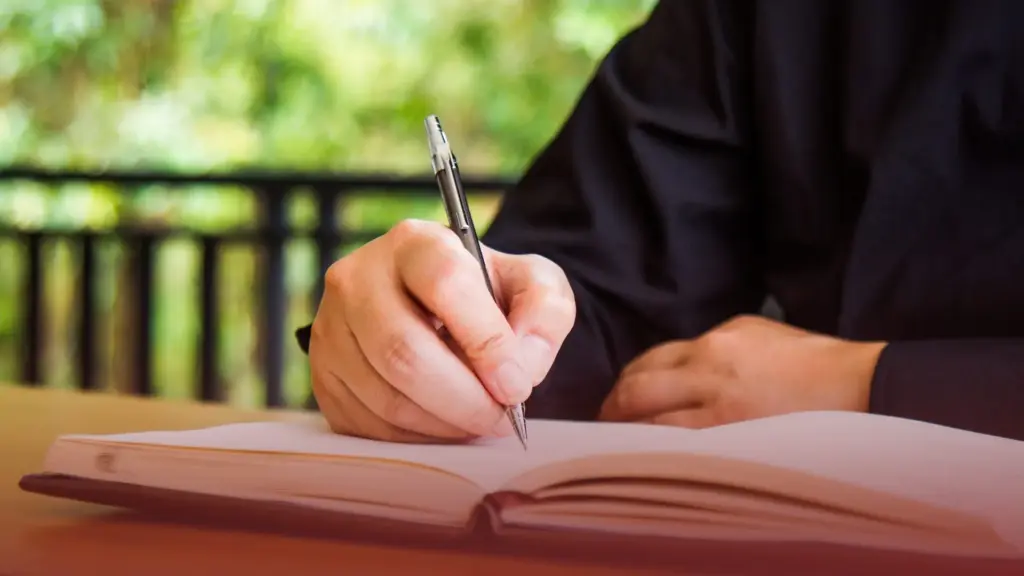
But the benefits of handwriting go beyond the classroom or the office. The feeling of ink flowing onto paper, the slight resistance of each stroke grounds us in the present moment. In a world filled with screens and notifications, handwriting offers something rare: mindfulness. When we write in a journal or compose a handwritten letter, we are not multitasking or rushing. We are fully immersed. Our attention is singular, our thoughts unfiltered, our emotions tangible. The process becomes a quiet ritual of connection between mind, hand, and heart.
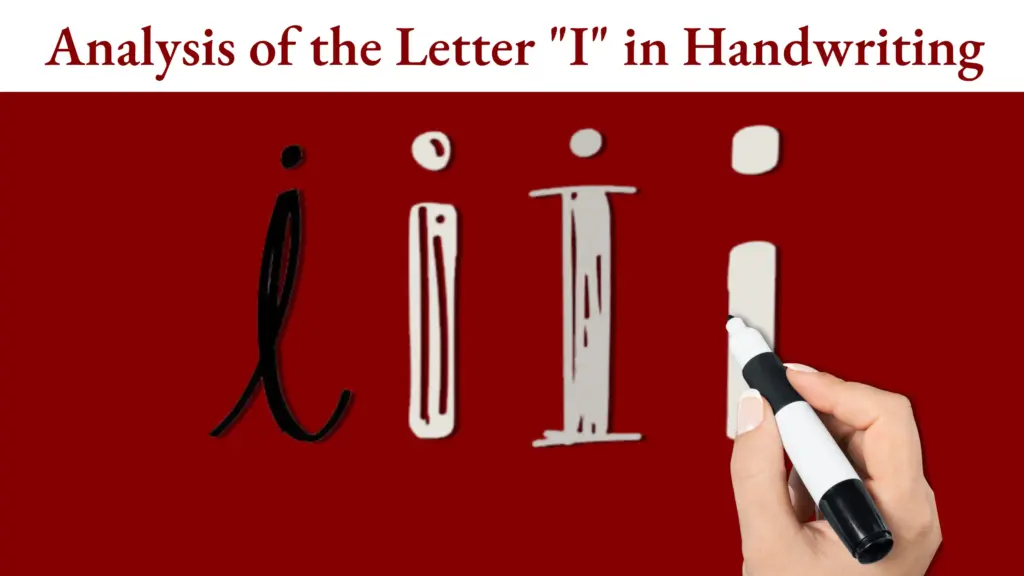
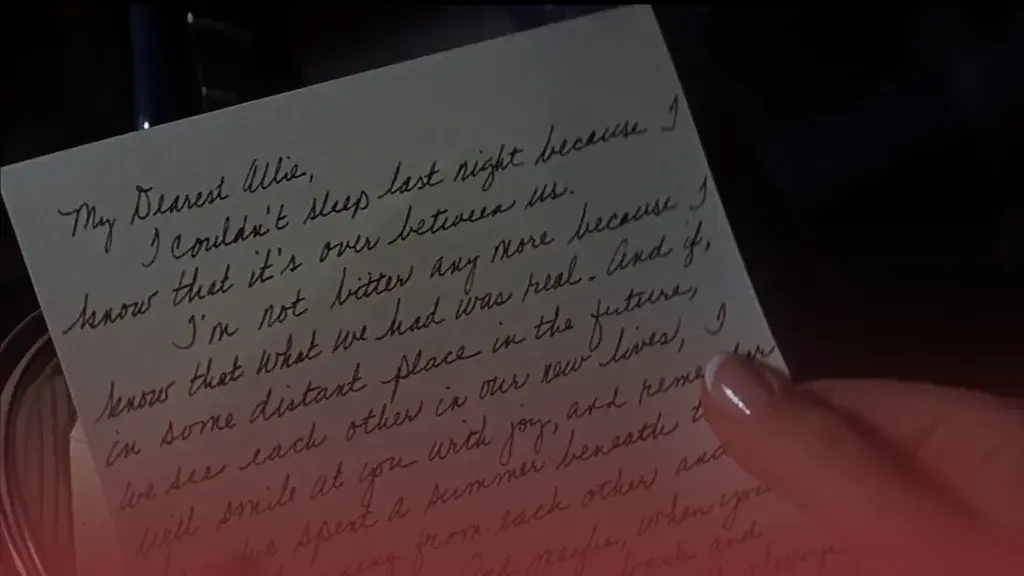
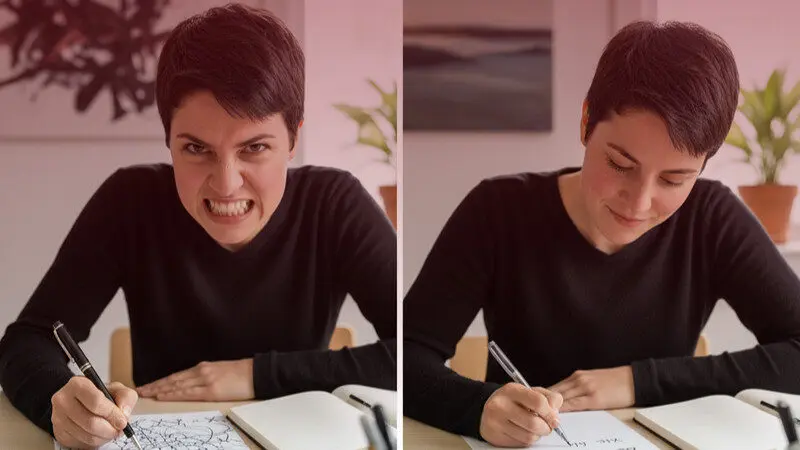
Moreover, handwriting carries with it an irreplaceable sense of identity. Your handwriting is as unique as your fingerprint, it reflects your personality, your energy, even your state of mind. A shaky line might reveal nervousness, while a confident stroke conveys decisiveness. In the digital world, where typed text looks the same no matter who writes it, we lose this individuality. Handwritten words are personal, they reveal humanity. A typed message might communicate information, but a handwritten note communicates emotion. It says, I took the time. It says, I meant this.
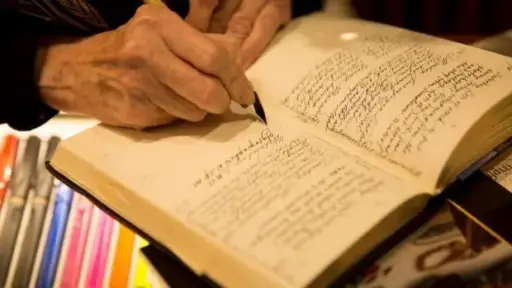
There’s also something profoundly creative about handwriting. Artists, poets, and thinkers throughout history have praised the way pen and paper invite inspiration. The physical act of writing slows your thoughts just enough for ideas to form naturally, without the self-editing instinct that often comes when typing. Many writers find that their handwritten drafts carry a different tone: more authentic, more emotional than their digital counterparts.
When we stop writing by hand, we risk more than poor penmanship, we risk losing touch with parts of ourselves. Our memories become more fragmented, our thoughts more mechanical, and our expressions more uniform. Research suggests that learning to write by hand helps develop reading skills, focus, and spatial awareness. In essence, handwriting trains the brain to think symbolically and creatively.
The emotional consequences are equally significant. Writing by hand can serve as a form of therapy. It provides an outlet for emotions that might be too raw or complex to express verbally. When we write about our feelings, we give them structure, we make sense of them. It works precisely because handwriting is slow, deliberate, and deeply personal. Typing, with its speed and efficiency, rarely invites that same kind of introspection.
Conclusion:
When we stop writing by hand, we lose more than a skill, we lose a way of thinking, feeling, and remembering that no technology can replicate. Handwriting connects our inner world to the outer one, translating thoughts into form and motion. It is a bridge between intellect and emotion, between self and society. In preserving it, we preserve part of what makes us truly human.
To know more about why handwriting is still important these days, join our Applicative Course by tapping the link https://karohs.school/courses/ to see more courses by KAROHS.