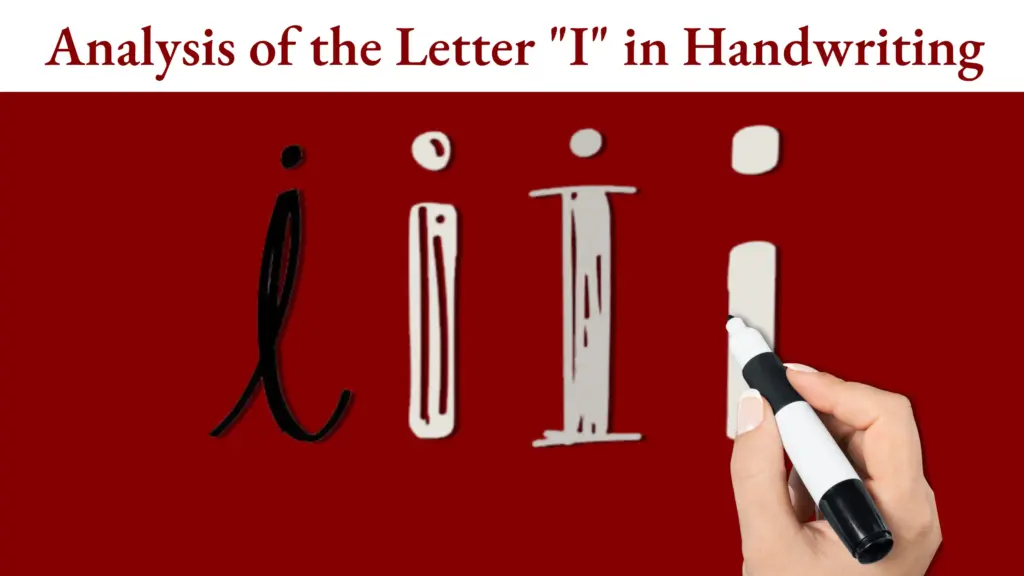
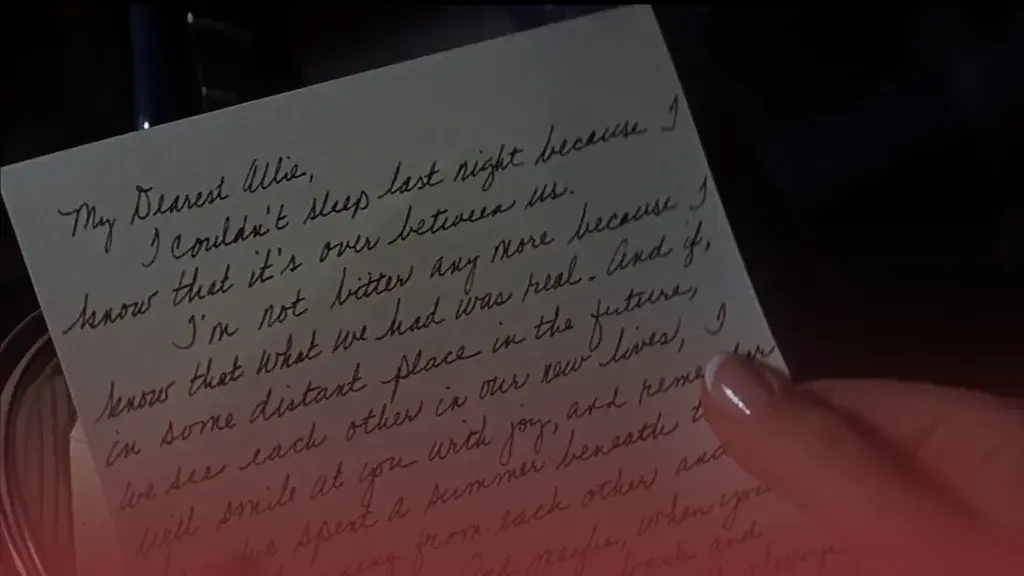
For decades, the study of handwriting, known as Graphology, has occupied a fascinating crossroads between art and behavioral science. While some people view it as a simple curiosity, many professionals in psychology and human development recognize it as “brain writing.” They use this term because writing functions as a complex neuromuscular task: the hand acts as a tool, while the brain designs every stroke, loop, and dot.
Below is an exploration of how graphology operates within psychology and what it reveals about the human mind.
Handwriting as a Subconscious Map
In psychology, practitioners often rely on projective tests, such as Rorschach inkblots, to allow the subconscious to emerge. Graphology works in a similar way. When you write, your conscious mind concentrates on the content of the words, while your subconscious mind directs the form and style. As a result, handwriting can bypass the filters people commonly use during verbal interviews. It exposes deep-seated personality traits, including emotional stability, social anxiety, or hidden frustrations, which individuals may not even realize they project.

Graphology in the World of Psychology: The Science Behind the Script
The Neurological Connection
From a psychological perspective, handwriting functions as a motor skill deeply integrated with the central nervous system. The brain generates specific electrical impulses that drive every movement of the pen. Because of this connection, changes in handwriting often signal early neurological or psychological shifts. Psychologists have observed that sudden changes in slant, pressure, or legibility frequently correspond with changes in mental state, such as the onset of depression, high stress levels, or even physical conditions before clearer symptoms appear.
Assessing Personality and Temperament
Psychology aims to categorize and understand human temperament, and graphology offers a unique lens for this purpose. For example, analysts often associate the slant of handwriting with emotional expression. A rightward slant usually reflects emotional openness and a desire for social connection, while a vertical or leftward slant indicates emotional restraint and self-reliance. By examining these patterns, graphologists create profiles of a person’s inner ego and gain insight into how individuals process emotions and respond to the world around them.

Graphology in the World of Psychology: The Science Behind the Script
Applications in Modern Profiling
Beyond clinical therapy, professionals apply graphology in areas such as career counseling and recruitment. By interpreting the psychological drivers behind handwriting traits, such as the precision of a perfectionist or the broad strokes of a visionary, organizations can match individuals with roles that suit their natural psychological tendencies. As a result, graphology supports compatibility analysis and helps predict how someone may handle pressure, collaborate in teams, or lead others based on inherent behavioral patterns.

Graphology in the World of Psychology: The Science Behind the Script
The Bridge Between Mind (Psychology) and Paper (Graphology)
Ultimately, graphology’s value in psychology lies in its ability to capture a snapshot of the human psyche at a specific moment in time. Unlike static personality tests, handwriting evolves as people grow, age, and navigate life’s challenges. This dynamic quality allows psychologists and analysts to observe long-term psychological development and increasing self-confidence across different life stages.
Master the Language of the Brain
To move beyond foundational knowledge and apply these psychological insights professionally, the Applicative Course by KAROHS School equips learners with the technical precision required to master the language of the brain.