In many cultures, damage is often seen as something that must be hidden. A cracked cup must be replaced. A chipped bowl is discarded. Consequently, we often perceive imperfection as a deficit. Yet in Japan, there is a centuries-old philosophy that approaches brokenness in a very different way. Known as the Kintsugi philosophy, it highlights the cracks instead of hiding them.
This philosophy is known as Kintsugi, a traditional Japanese method of repairing broken pottery using lacquer mixed with powdered gold, silver or platinum. Rather than disguising damage, the repair intentionally traces the cracks, turning them into visible lines that become part of the object’s final design.
The result is not simply a restored object. It is an object with a new story.
The History Behind Kintsugi
The origins of Kintsugi are often traced back to the late 15th century during Japan’s Muromachi period. According to historical accounts, the practice emerged when the shogun Ashikaga Yoshimasa sent a damaged tea bowl to China for repair. When the bowl returned fixed with unattractive metal staples, Japanese craftsmen sought a more aesthetically meaningful solution.
They began repairing ceramics using lacquer dusted with precious metals, transforming the cracks into delicate golden lines. Over time, this approach became more than a repair technique. It evolved into an aesthetic philosophy closely connected to the Japanese concept of Wabi-sabi, which appreciates beauty in imperfection, impermanence and the marks left by time.
Kintsugi dictates that the aim is not to return an object to its original state. Instead, it acknowledges that breakage and repair are part of the object’s history. The cracks are not erased. They are honored.
When Damage Becomes Part of the Story
What makes Kintsugi compelling is the way it changes how we perceive flaws. In many modern systems, perfection is often associated with value. Smooth surfaces, clean lines and even flawless finishes are seen as indicators of quality.
Kintsugi quietly challenges this assumption. The repaired object is not considered less valuable because it was broken. In many cases, it becomes even more meaningful. The visible repair marks reveal that the object has endured something and continues to exist.
Its history is no longer hidden anymore. The golden lines do not deny the fracture. They frame it. And in doing so, they remind us that what appears damaged can still carry beauty.
Imperfection as a Trace of Experience
This perspective resonates far beyond ceramics. Human expression, like Kintsugi pottery, is rarely formed without marks of experience. Our ideas evolve through revisions. Our understanding grows through challenges. Even the way we communicate develops gradually over time.
Expression is not always perfectly structured from the beginning. Thoughts may arrive in fragments before becoming clear. Words may change shape before they feel accurate. These small irregularities are not always mistakes. Often, they are signs that something real is unfolding. Rather than erasing every imperfection, creative processes frequently allow room for these traces to remain. They become part of the authenticity of the final expression.
The Human Rhythm Behind Writing
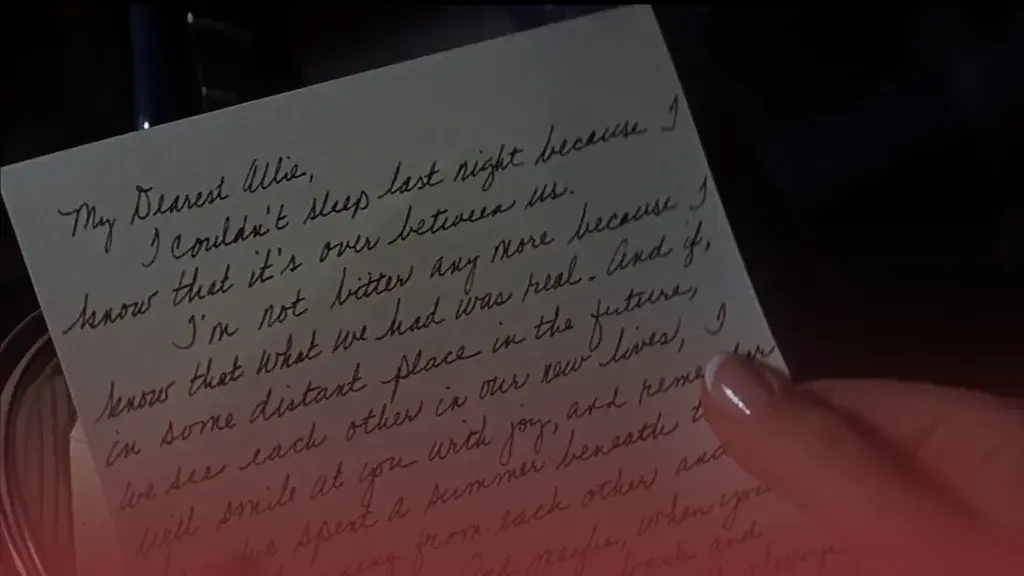
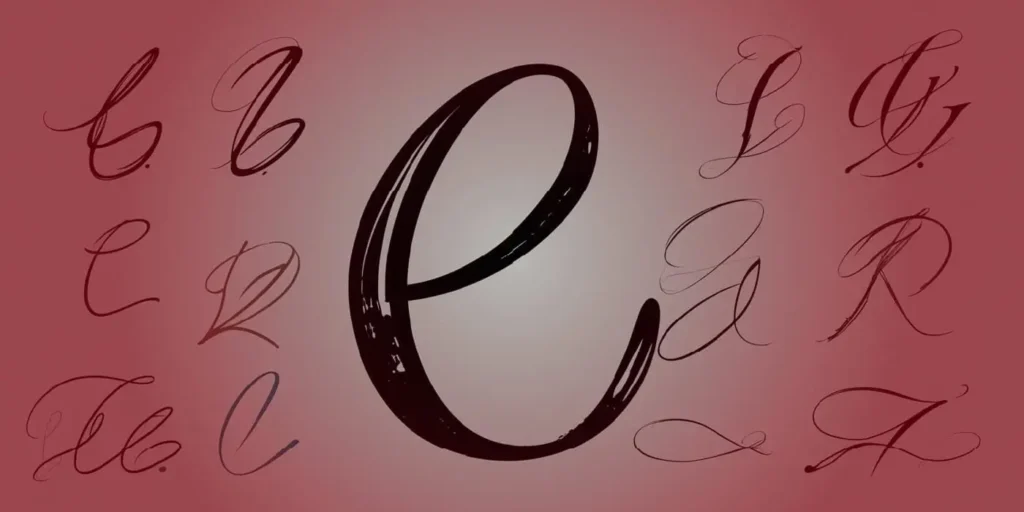
In many ways, handwriting carries a similar quality. Writing is not only about producing letters correctly. It is also a moment where thought, movement and awareness meet on the page. Each line is shaped through a coordination between the mind and the body at a particular moment in time.
Because of this, writing often reflects the natural rhythm of the person who creates it. The lines that appear on the page are not always perfectly uniform, and they do not need to be. Much like the golden seams in Kintsugi, these subtle irregularities can be understood as traces of a living process. After all, writing is not produced by a machine. It is created by a human system that is constantly thinking, feeling and responding to experience.
The Beauty of What Has Been Repaired
Kintsugi offers a quiet reminder that perfection is not the only measure of value. Sometimes what makes something meaningful is precisely the evidence that it has been broken, repaired and continued. The cracks do not disappear. But they become part of the story.
And perhaps this is why the philosophy of Kintsugi continues to resonate today. In a world that often encourages us to hide imperfections, it invites us to see them differently. Not as something to conceal. But as something that reveals where the journey has taken place.
Understanding expression through this lens allows us to approach handwriting, creativity and communication with a deeper sense of awareness. Because sometimes, the most meaningful lines are not the ones that appear perfectly smooth, but the ones that carry the marks of experience.
For those seeking to decode these intimate traces of human experience, the Comprehensive Course here offers a structured path to learn the foundations of handwriting analysis and discover how personal stories can be reflected through writing.