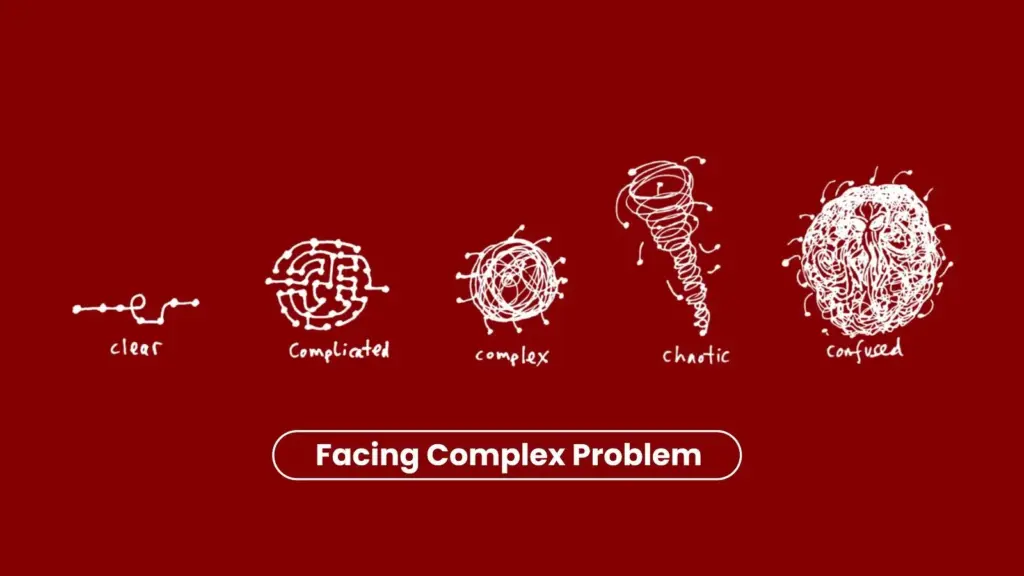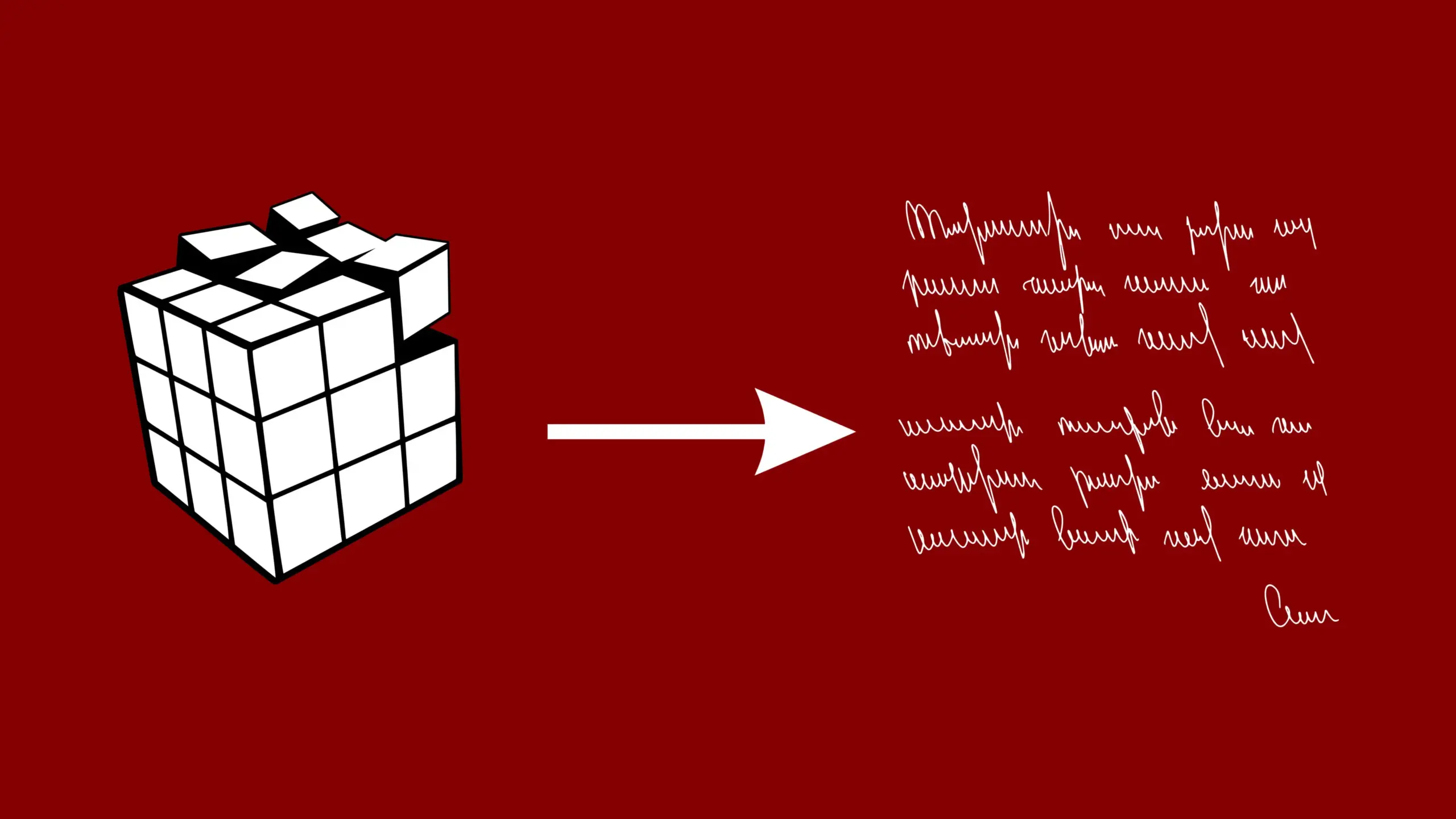
A scrambled Rubik’s Cube and a page of messy handwriting have more in common than you might think. At first glance, both look like chaos, a tangle of disconnected colors and erratic ink strokes. But for those trained to see beneath the surface, that chaos is actually a map. Behind the shifting colors and the tilting letters lies a precise, hidden system waiting to be decoded.
Every move follows a system of permutations. Every rotation changes the configuration in ways that can be predicted and eventually reversed. What looks confusing at first is actually governed by patterns. Perhaps, this is why the cube continues to fascinate people around the world. It invites the mind to search for order within complexity.
The Human Instinct to Find Patterns
Humans are naturally drawn to patterns. When we encounter something that appears chaotic, our instinct is often to look closer. That means to observe, test and slowly uncover the structure beneath it. This tendency appears in many aspects of life. Scientists search for patterns in data. Musicians recognize patterns in rhythm. Writers look for patterns in stories and language. This instinct to recognize a hidden pattern is what allows people to move from confusion toward understanding.
Solving a Rubik’s Cube reflects this same instinct. At the beginning, many people twist the cube randomly, hoping that the colors will eventually align. But experienced solvers know that solving it requires more than trial and error. It requires recognizing sequences of patterns of movement that gradually bring the puzzle into order. The solution does not appear instantly. It emerges step by step as the solver learns to see the structure hidden within the puzzle.
Problem Solving as a Process
The Rubik’s Cube has become more than a toy. It has become a symbol of problem solving. Each twist represents a decision. Each rotation changes the situation, sometimes improving it and sometimes making it temporarily more complicated.
Interestingly, solving the cube often involves moments where things appear worse before they become better. A nearly completed side may need to be disrupted so that another part of the puzzle can fall into place. This process mirrors how many complex problems are solved in real life. Progress is rarely linear. Sometimes we must reorganize our approach before clarity appears. The order was always possible, but it required patience to reveal it.
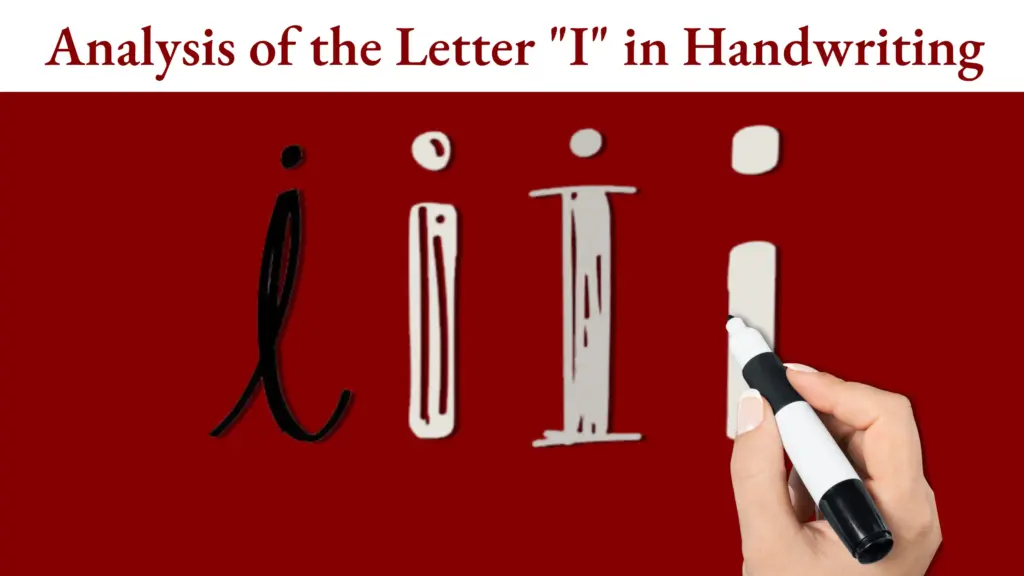
In a reflective way, handwriting can be viewed through a similar lens. At first glance, handwriting may appear simple such as lines, curves and letters forming words on a page. Beneath those visible shapes lies a surprisingly complex coordination of systems within the human body.
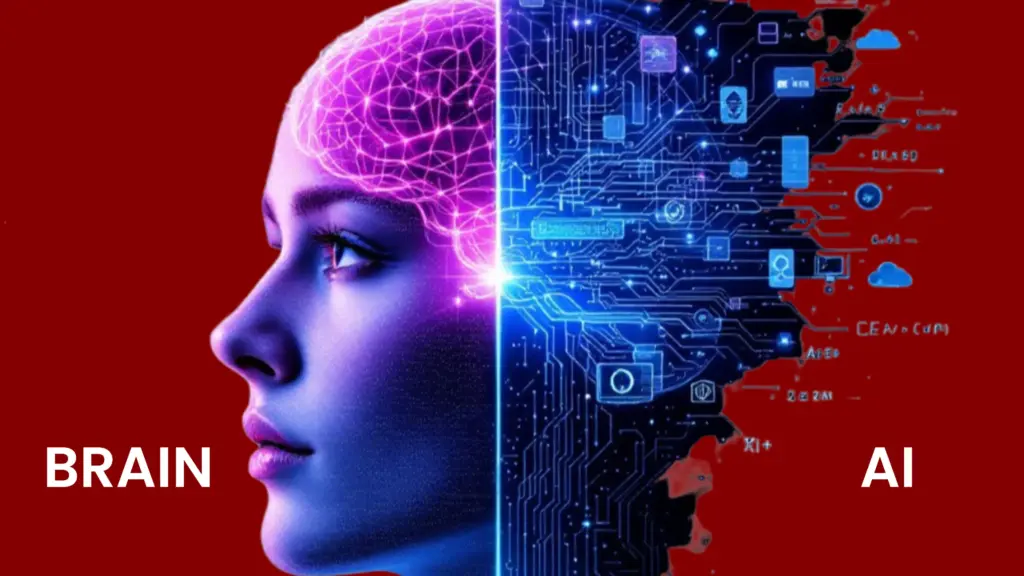
When someone writes, the brain is simultaneously organizing language, regulating movement and translating thought into physical motion. The fingers and wrist follow instructions from neural signals, while attention and emotion influence the rhythm of the writing itself.
What appears as a simple line on paper is actually the result of a dynamic internal process. Much like the shifting colors of a Rubik’s Cube, handwriting reflects the interaction of multiple elements working together. Solving a Rubik’s Cube often requires the ability to recognize a hidden pattern before clarity appears.
Patterns Beneath the Surface
In many ways, these movements form a hidden pattern that reflects how the internal system operates over time. One of the fascinating aspects of human expression is that patterns often exist even when we are not consciously aware of them. When someone repeatedly writes over time, their movements gradually form a natural rhythm. It is shaped by habit, thought processes and personal experience.
Those patterns are not deliberately engineered the way algorithms are. Instead, they emerge from the coordination between mind and body. In this sense, handwriting can be seen as a quiet record of how the internal system operates during the act of writing. Just as solving a Rubik’s Cube reveals the structure hidden beneath a scrambled surface, observing handwriting invites us to notice the subtle organization behind what might initially look ordinary.
Order Within Complexity
The beauty of both puzzles and human expression lies in this relationship between complexity and order. The cube reminds us that something which appears chaotic may still follow an underlying system. The challenge is learning how to see it. Handwriting offers a similar reflection. Beneath the visible strokes lies an intricate collaboration between thought, emotion and movement.
Neither process is purely mechanical. Both involve awareness, adaptation and learning over time. Perhaps that is what makes them so compelling. Because sometimes the most interesting patterns are not the ones that appear immediately but the ones that quietly reveal themselves when we take the time to look more closely.
What looks simple often hides a deeper structure. Much like a Rubik’s Cube, understanding these hidden patterns requires patience and deeper observation. In the Applicative Course at Karohs School, you will learn to observe handwriting the way a puzzle solver sees patterns patiently, thoughtfully and with deeper awareness. Because sometimes the most meaningful patterns are the ones hidden in plain sight.