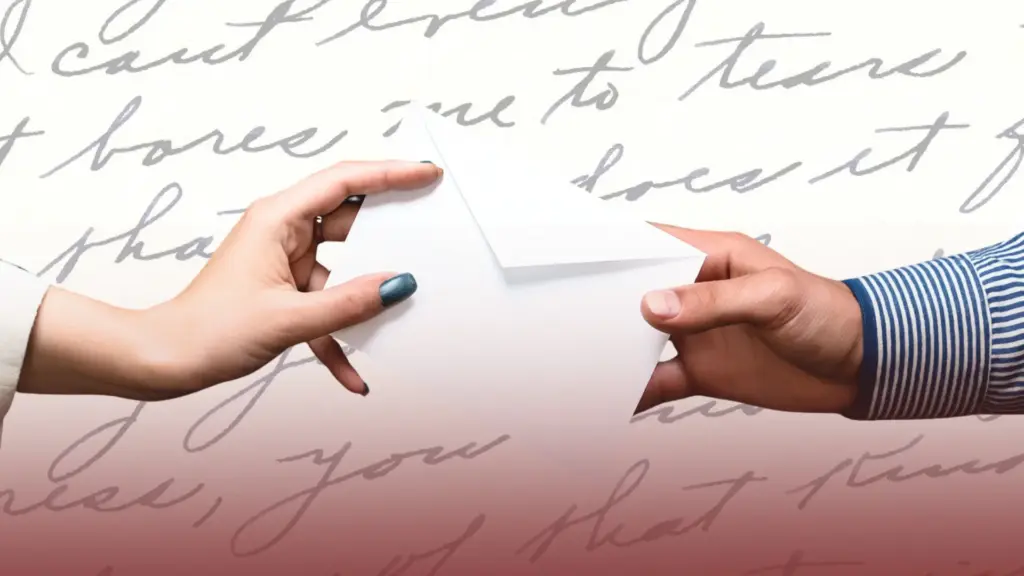
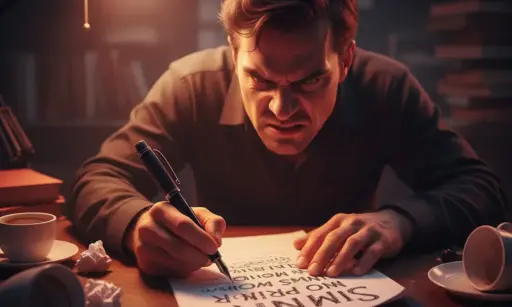
We often think of our handwriting as a fixed habit, like our height or eye color. However, if you’ve ever looked at a frantic note you scribbled while angry and compared it to a relaxed handwriting, you know they look like they were written by two different people. That’s how we know that mood can change your handwriting.
The truth is, your handwriting is not a static blueprint; it is a dynamic physical response to your emotional state or mood. But how exactly does a mood in your mind turn into a different shape on the paper?
The Invisible Hand: How Your Mood Physically Reshapes Your Handwriting
1. The Motor Room: How Mood Change Your Handwriting
Your hand doesn’t move itself. Every stroke of the pen is orchestrated by the motor cortex in your brain. When you experience a strong mood at the time, your brain releases a cocktail of neurochemicals, like adrenaline during stress or dopamine during joy, that change your muscle tone and handwriting.
- When you are Anxious or Angry: Your body enters a state of “hyper-arousal.” Your muscles tingle with excess energy and tension. This physical rigidity makes your movements jerky and less precise. You unconsciously grip the pen tighter, leading to heavier pressure and sharper, more jagged angles in your letters.
- When you are Calm: Your fine motor skills are at their peak. Your muscles are fluid and responsive, allowing for the rounded, rhythmic loops and consistent spacing that characterize “neat” handwriting.
2. Speed and the “Mood or Emotional Tempo”
Mood dictates your internal tempo. When you are excited or impatient, your thoughts race, and your hand tries to keep up.
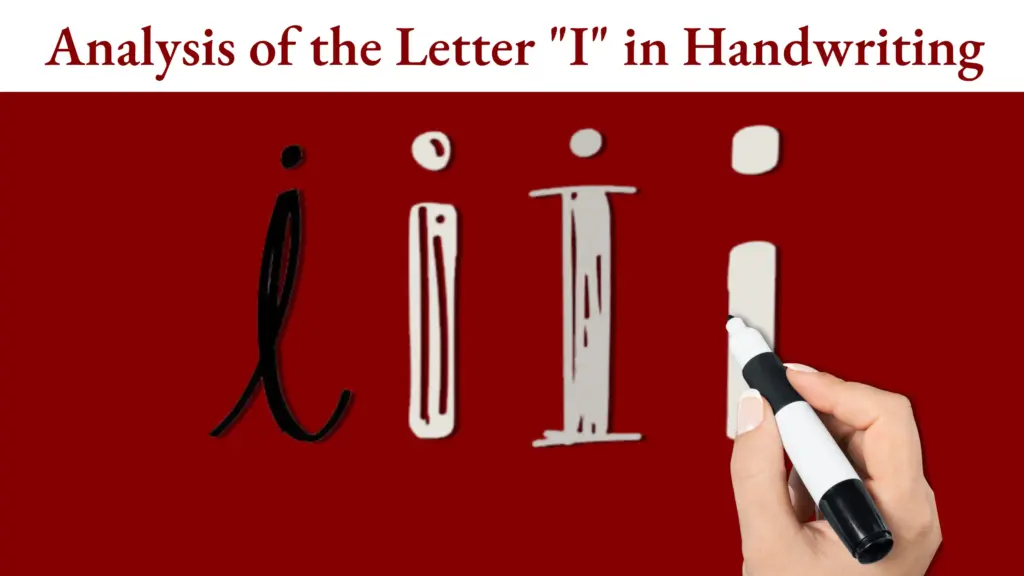
- The “rushed” script: High-energy mood (both positive and negative) increase your handwriting speed. As speed increases, the brain begins to “cut corners” to save time. You might stop crossing your ‘t’s’ or dotting your ‘i’s’, and your letters may become more slanted as they “lean” toward the next word.
- The “heavy” script: When you are feeling low, lethargic, or depressed, your physical movements slow down. The pen feels heavier, and the effort required to create large, expansive letters feels taxing. Consequently, your handwriting may become smaller and more cramped simply because your body is trying to conserve energy.
3. Spatial Awareness and Self-Confidence
Mood also affects your spatial perception, how you view the world around you and your place in it.
- Confidence and Elation: When you’re in a good mood, you tend to take up more space. You might notice your handwriting becomes larger, and your signature expands. You feel “expansive,” and your hand mimics this by utilizing more of the page.
- Insecurity or Sadness: When you feel vulnerable, your subconscious instinct is to “shrink.” This manifests as writing that hugs the margins or stays very close to the baseline, reflecting a desire to remain “unseen” or contained.

The Invisible Hand: How Your Mood Physically Reshapes Your Handwriting
The Verdict: A Mirror of the Moment
Your handwriting is essentially “brain-writing.” It is a physical manifestation of your nervous system’s current state. While your basic letter forms (the way you were taught to write) stay the same, the execution of those forms is constantly being edited by your mood.
So, the next time your handwriting looks “messy,” don’t blame your coordination. It might just be your brain’s way of expressing a mood that words alone can’t capture.
Ready to master the art of reading between the lines? Elevate your understanding of the mind-pen connection with the Applicative Course by KAROHS International School of Handwriting Analysis. This professional program equips you with expert techniques to decode the deep-seated emotions and psychological patterns hidden in every stroke.