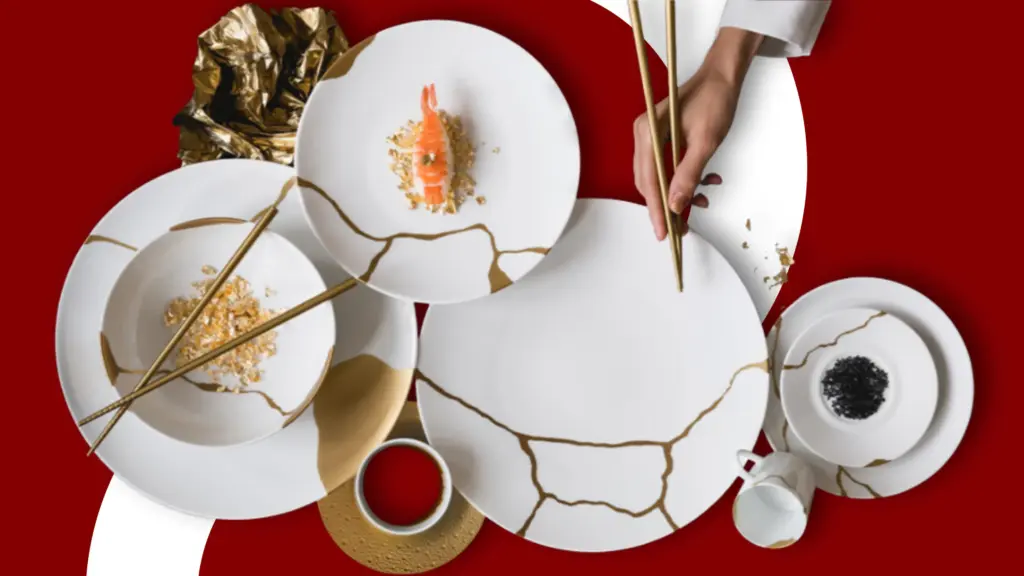
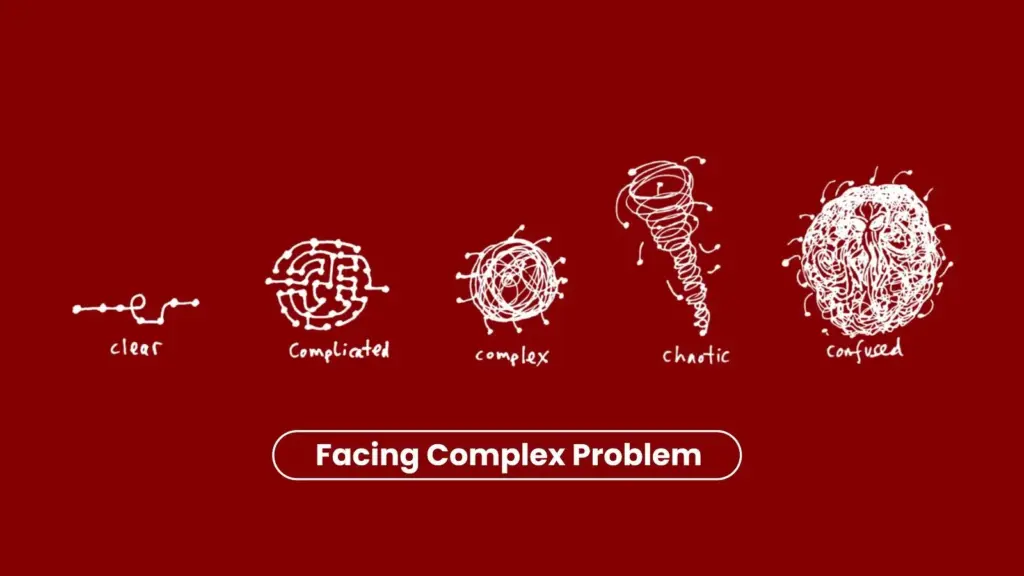
We are living in a time when technology can produce almost anything in seconds. Artificial intelligence can now generate images, essays, designs, and even music instantly. The results often look polished such as clean structures, organized ideas and almost no visible errors. We now treat efficiency as the new standard. Speed is celebrated. People now expect precision. Yet this raises an interesting question: in this era of imperfection in the age of AI, when everything looks flawless, does it still feel alive?
Human expression always carries a certain texture like pauses, revisions and sometimes even mistakes. These small irregularities are not simply flaws. They are traces of the thinking and feeling process behind the expression itself. They remind us that creation is not always linear.
The Courage to Be Imperfect
Researcher and author Brené Brown has long spoken about the importance of embracing imperfection. In her work on vulnerability and authenticity, she explains that we do not need to eliminate imperfection. Instead, it is often the very space where courage appears.
According to Brown, authenticity requires the willingness to be seen as we are, not only when everything is polished, but also when it is still forming. In other words, imperfection becomes part of the courage to show up honestly in the world. This perspective offers a meaningful contrast to the increasingly automated systems surrounding us today.
Engineers design machines to optimize performance. Their purpose is to reduce errors and produce consistent outputs. Human beings, however, create through experience. Our ideas do not always arrive in tidy sequences. Sometimes they appear unexpectedly—during a conversation, in the middle of writing or even after a moment of uncertainty. The creative process often includes pauses, revisions and small detours that eventually lead to deeper clarity.
The Living Process of Expression
Unlike machines, humans express themselves through processes that are rarely perfectly structured. A thought may start vaguely before finding the right words. It also can make conversation wander before reaching understanding. Even writing often begins imperfectly before it becomes coherent.
In the context of imperfection in the age of AI, these moments are not signs of failure. They are evidence that something real is taking shape. Emotion, for example, can influence how someone speaks or writes. A person who feels deeply about a topic might pause longer, emphasize certain words, or revise a sentence repeatedly until it feels right. The expression evolves alongside the emotion behind it.
In many creative fields, small imperfections even become part of the final character of the work. Musicians leave subtle variations in tempo. Writers keep certain spontaneous phrases because they capture an authentic voice. Artists often value brushstrokes that reveal the movement of the hand.
What might initially look like “imperfection” can actually be a mark of presence.
Imperfection as Human Signature
In a world where technology can produce flawless outputs, imperfection becomes something uniquely human. It signals that there is a story behind the expression it is a mind thinking, an emotion unfolding, an experience shaping the final form.
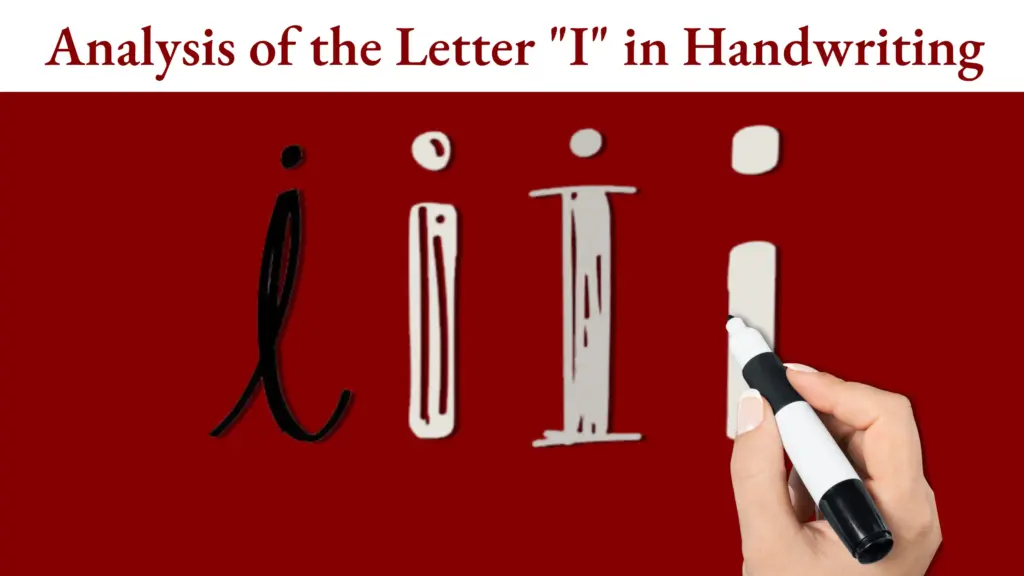
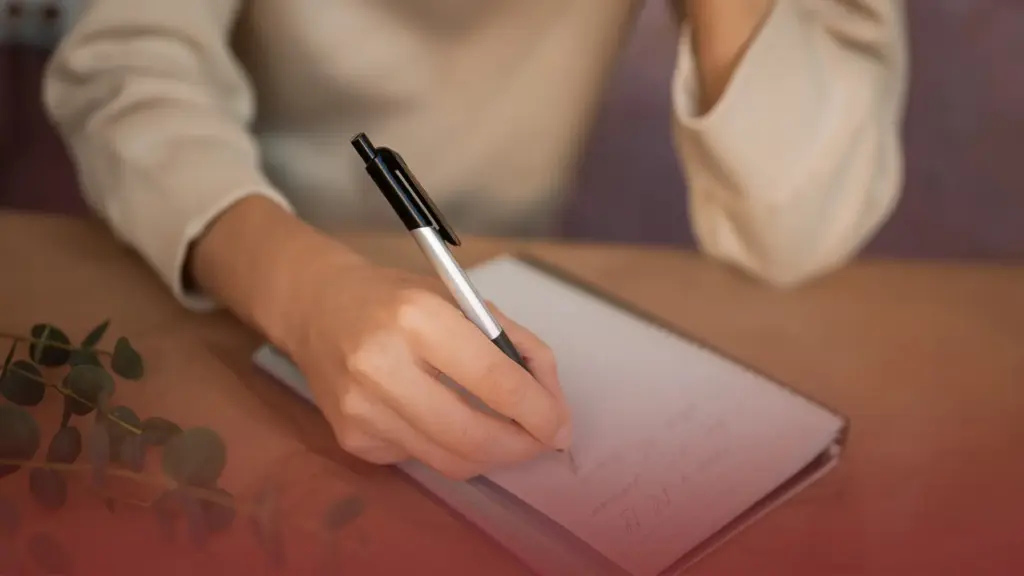
Handwriting, for instance, carries this living quality. Each stroke emerges from a moment of coordination between thought, emotion, and movement. It is not just about forming letters correctly, but about how the internal process flows outward.
This is why expression, whether through writing, speaking or creating—rarely appears identical every time. The human system is dynamic, constantly adapting to new experiences and internal states. Imperfection, in this sense, does not diminish authenticity. It often strengthens it.
Choosing Humanity in a Perfect World
Artificial intelligence will continue to evolve. Its ability to produce efficient and precise results will likely become even more advanced in the years ahead. But human expression was never meant to compete with machines on perfection alone.
In understanding imperfection in the age of AI, we begin to see that human expression is not defined by perfection, but by the presence behind it. What makes it meaningful is the presence behind it—the lived experience, the vulnerability, and the willingness to show something that is still evolving. Imperfection reminds us that expression is not only about the final result. It is about the journey of thought, emotion and awareness that shapes it. And perhaps that is why, even in an age of intelligent machines, the most powerful expressions are still the ones that feel unmistakably human.
Technology may create perfect outputs, but human expression always carries a story.
If you are interested in discovering how handwriting can reflect that story, Karohs School invites you to explore the deeper connection between writing, awareness, and personal growth in the Applicative Course.