A typed message can be sent in seconds. Yet, handwritten notes take longer. It asks for paper, space, attention and time. It cannot be rushed in quite the same way. Perhaps that is why, even in a world shaped by instant communication, many people still experience handwritten words differently.
They often feel warmer, more thoughtful and real. Short messages written by hand can sometimes carry more emotional weight than a perfectly composed digital paragraph. Why does this happen? The answer may reveal something important about how people perceive trust, effort and human presence.
Speed Does Not Always Create Meaning
Modern communication is built around convenience. We reply quickly, forward messages, we use templates, shortcuts and predictive text. Information moves faster than ever before and in many ways, this efficiency is useful. Yet, speed can also remove signals that people subconsciously value.
When a message arrives instantly, it may communicate responsiveness. However, it does not always communicate intention. It may be appreciated, but not deeply felt. A handwritten note works differently. Since it takes more time, it often suggests that the sender chose to pause, focus and make space for the message itself. That pause matters.
Why Effort Changes Perception
Research in consumer psychology and behavioral science has long shown that effort influences how people evaluate meaning. When something requires visible time or care, it is often perceived as more sincere and more valuable. This principle appears in everyday life.
A handmade gift may feel more touching than an expensive last-minute purchase and a carefully prepared meal can feel more meaningful than something ordered with one click right? The same pattern applies to communication.
Handwriting often signals that effort was invested physically, not only mentally. Someone had to sit down, write each word and complete the message line by line. That visible effort can increase trust because it feels harder to fake indifference through care.
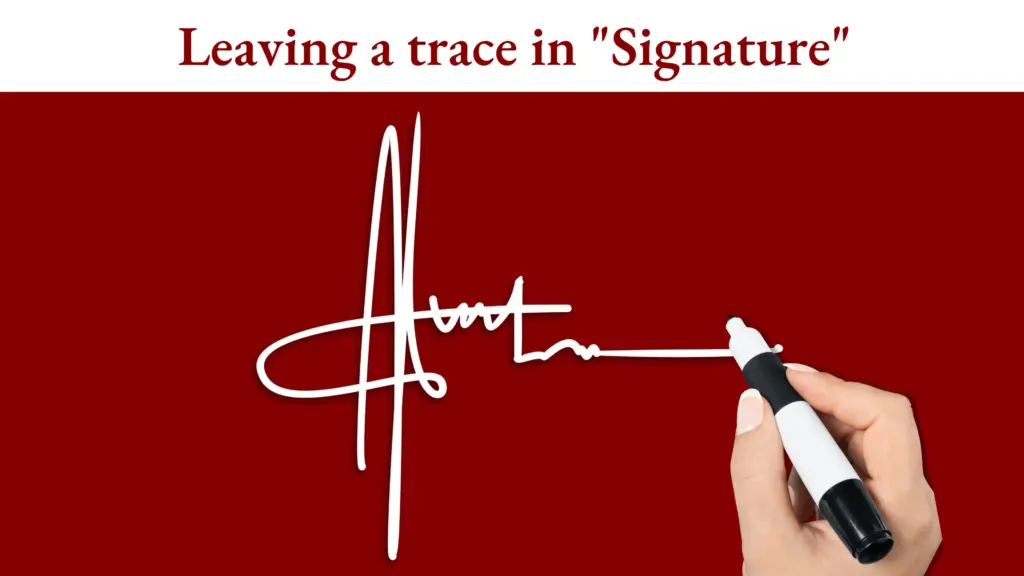
Typed messages are clean and efficient. Fonts are uniform and spacing is automatic. Unlike a digital font, handwriting is a living portrait of the sender’s personality. Every slant, pressure point, and stroke carries a subconscious fingerprint that no keyboard can replicate. These ‘imperfections’ are actually the signals our brains use to detect honesty and human presence.
Perfection can impress, imperfection can connect. This may be one reason handwritten messages often feel more genuine. They remind the reader that a real person was present in the process.
Memory Works Differently With Tangible Things
There is also the matter of memory. Digital messages are abundant. They arrive beside dozens of others, often in the same visual format. Many are read quickly, then buried under newer notifications.
A handwritten note tends to stand apart. It can be held, folded, stored in a drawer, even revisited years later. The reason is because it exists physically, it often becomes attached to place, moment and emotion in a stronger way. It is not only remembered for what it said, but for how it was received. This gives handwriting a lasting quality that many digital messages struggle to achieve.
Why Brands and Businesses Still Use Handwritten Notes
Even in highly automated industries, some brands continue to include handwritten “thank you” cards or personal notes. Why? Because many people respond to signals of care. When communication feels personal, trust often increases. The customer no longer feels like a transaction. They feel acknowledged. In a marketplace full of speed and scale, small signs of human attention can become unexpectedly powerful.
Perhaps the deeper lesson is this, people do not only want information, they want sincerity. Others want to feel that someone meant what they said, want signs that time was given, not merely efficiency and somehow want presence, not only contact.
Technology helps us communicate faster, but speed alone does not always satisfy emotional needs. That is why older forms of communication continue to matter. They meet needs that convenience cannot fully replace.
Not because handwriting is magically superior and is not because digital communication has no value. The reason is because handwriting often carries qualities people still deeply recognize such as effort, attention, individuality and care.
Ultimately, trust isn’t just built by the time spent writing, it’s built by the authentic character revealed on the page. When you look at a handwritten note, you aren’t just reading words; you are witnessing a personality in motion. Ready to decode the hidden layers of trust and character in every stroke? Join our Applicative Course and master the art of understanding the human story behind the handwriting.