People often say they read for knowledge, entertainment or passing time. However, reading books is rarely just about the book itself. It is often about resonance.
Among thousands of titles, genres and stories, something pulls us toward a particular kind of narrative. Not randomly, but almost instinctively. One person keeps returning to psychological thrillers, another finds comfort in romance. Someone else gets lost in fantasy worlds or reflective essays. At first glance, it looks like preference, but sometimes it is deeper than that.
The Stories We Choose Are Not Accidental
Every genre carries a certain emotional landscape. For example: mystery invites curiosity and pattern-seeking. Fantasy opens space for imagination and possibility. Self-development offers structure and direction. Also, romance explores connection, vulnerability, and meaning.
Research in Psychology suggests that people are often drawn to narratives that align with their internal states and psychological needs. This idea is supported by work from Raymond A. Mar, whose studies indicate that engagement with fiction is closely related to how individuals process social experiences and emotions. In other words, what we read is not only about taste. It is often about alignment.
Reading as a Mirror, Not an Escape
For many people, reading books becomes a way to reconnect with emotions, thoughts and experiences they may not fully recognize in daily life. Many people describe reading as a way to escape reality and sometimes, it is. Yet, even in escape, there is selection.
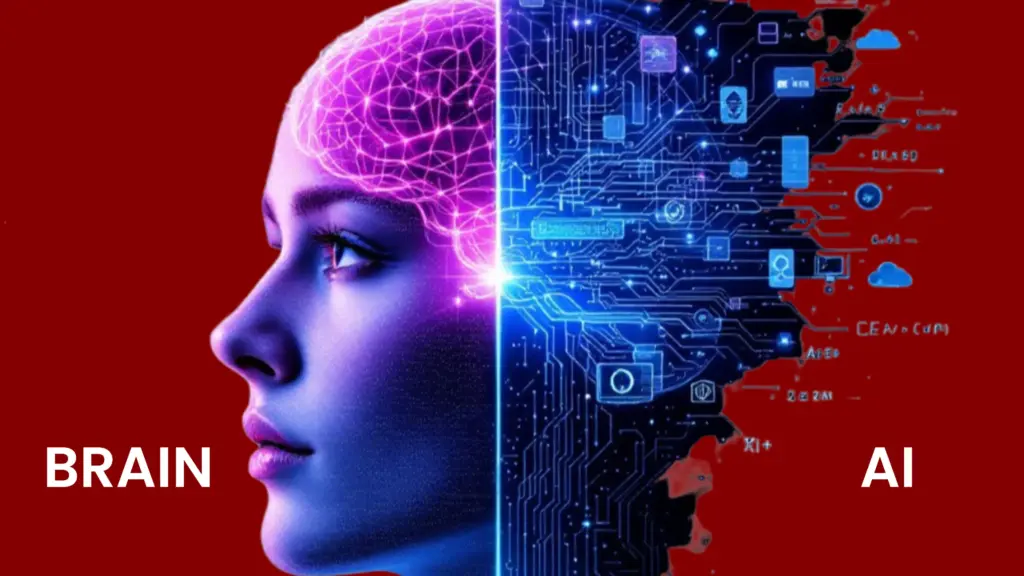
According to research published in Social Cognitive and Affective Neuroscience. Engaging with narratives can activate brain regions involved in empathy and emotional processing. This suggests that when we read, we are not disconnecting from ourselves, but engaging with internal systems that help us understand human experience more deeply.
No one escapes into just anything. They escape into something that feels meaningful. A story may not reflect your life literally, but it can reflect your inner state.
The Quiet Patterns Behind Preference
What makes this interesting is not the genre itself, but the pattern behind it.
“Why do you return to the same type of story?”
“What do you look for without realizing it?”
Studies in reader-response theory and personality psychology have found that individuals often select narratives that either reinforce their identity or help them process internal conflict. This aligns with broader findings in Cognitive Psychology, where repeated choices are rarely random, but shaped by underlying cognitive and emotional patterns.
These patterns are not labels. They are tendencies. Many people seek clarity, emotion, challenges, comfort. Often, some seek the tendencies that extend beyond reading.
When Reading get into Expression
The way we choose what to read is not so different from how we express ourselves. Both involve selection, reflecting internal rhythm. Also, both are shaped by how we process experience.
Research on embodied cognition within Neuroscience suggests that thought and physical action are closely connected. This means that internal states do not remain abstract. They often appear through physical expression, including writing.
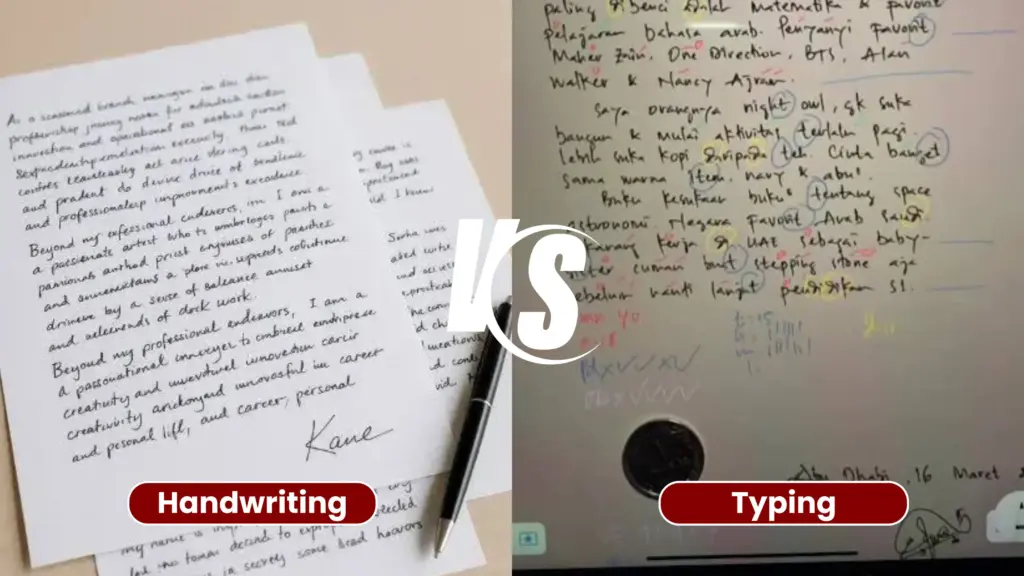
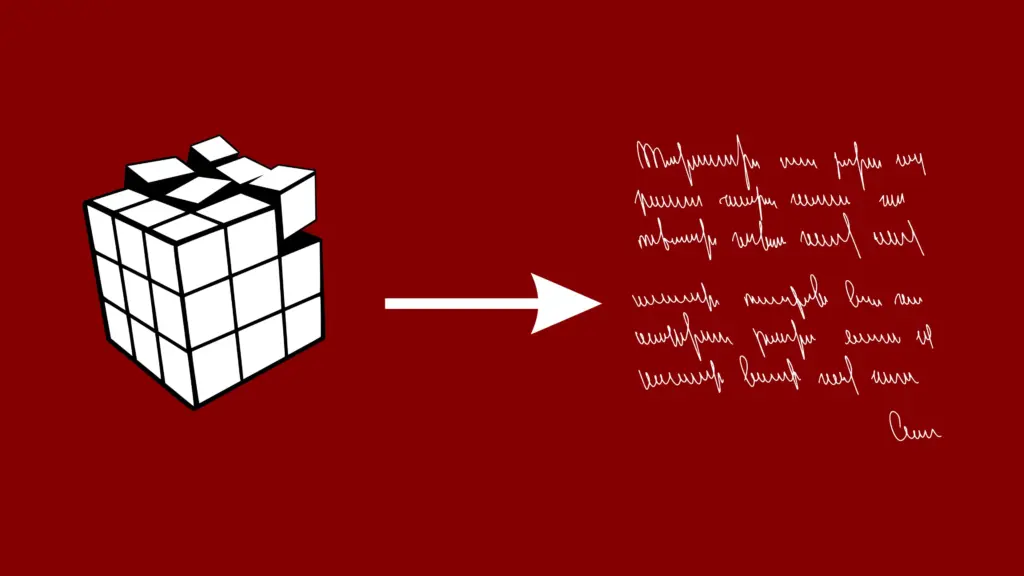
Handwriting, for example, is not only about forming letters. It is a motor activity shaped by cognitive and emotional processes. The same internal tendencies that guide what we read may also influence how we move, respond and express ourselves on the page.
Not as a fixed conclusion, but as a reflection.
We often think we are simply reading books for information or entertainment. However, sometimes we are choosing stories that feel closest to who we are becoming. Reading is not only about understanding stories. It is also about understanding why certain stories stay. Perhaps, that is where its real value lies. Not only in what we learn from the page, but in what the page quietly reveals about us.
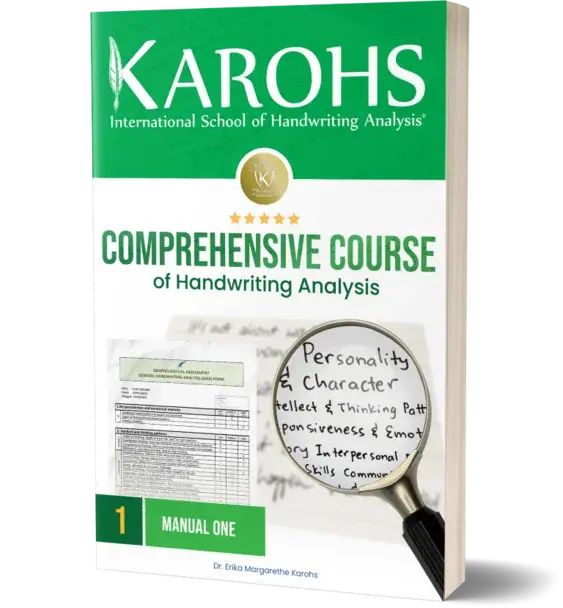
If you’re curious to understand how your inner patterns appear not only in what you read, but also in how you express yourself, this book offers a deeper way to explore the connection between thought, movement and handwriting.