Most people think that painting is only a hobby. It is something relaxing to do on weekends. A creative pastime and a skill for those who consider themselves artistic. Yet, painting often offers something deeper than entertainment.
Beyond the canvas, colors, the result, painting can become a meaningful psychological process. It gives the mind a place to focus, the emotions a place to move and the self a place to reconnect. This may be why so many people feel better after creating something with their hands, even when they do not consider themselves “good at art.” Sometimes, the value of painting has little to do with talent and much to do with what happens internally while creating.
It Gently Pulls Attention Back to the Present
Modern life often scatters attention, notifications interrupt thought, tasks overlap. The mind jumps between yesterday’s regrets and tomorrow’s concerns. Even moments of rest can feel mentally crowded. Painting asks for a different kind of presence.
To paint, a person must notice shape, space, color, movement and balance. Attention gradually shifts away from endless mental noise and toward what is directly in front of them. This kind of focus resembles what psychologists often describe as mindful attention, it is being engaged with the present moment rather than trapped in constant mental drift. For many people, that shift alone can feel calming.
It Reduces Stress More Than Many People Realize
Not every feeling is easy to explain. Stress, grief, frustration, longing, uncertainty these experiences do not always arrive in neat sentences. Creative expression can help where words struggle.
Painting offers a nonverbal way to process internal states through color, gesture, texture and form. A person does not need to explain everything before beginning. Sometimes the act itself reveals what was being carried. This is one reason art-based therapeutic approaches have been used in emotional wellness settings for years. Expression does not always need vocabulary to be valid.
Research has shown that creative activity can support stress reduction. A study from Drexel University found that engaging in art-making for as little as 45 minutes was associated with significantly lower cortisol levels, a hormone commonly linked with stress.
What matters here is not mastery. Participants did not need to be professional artists for the benefits to appear. This suggests something powerful, the nervous system often responds to the process of creating, not only to the quality of the result. In other words, you do not need to paint brilliantly for painting to help you.
It Builds Quiet Confidence
There is something psychologically valuable about making progress you can see. A blank page becomes color, loose ideas become form, small decisions slowly become something complete. That process can strengthen confidence in subtle ways. It’s not the loud confidence of performance or comparison, but the quieter kind that grows when a person realizes “I can begin with nothing and create something”.
For people who feel mentally stuck, emotionally drained or disconnected from momentum. This experience can be deeply restorative.
What Painting and Handwriting Quietly Share
Painting rarely rewards rushing. It is taking time, adjustments happen gradually, mistakes become part of the process. Some areas need to be reworked more than once. This can be surprisingly healthy in a culture built around immediacy.
Painting reminds people that not everything meaningful happens instantly. Some results emerge through revision, pause and steady attention. That lesson often extends far beyond art. Painting is not the only form of expression shaped through the hand.
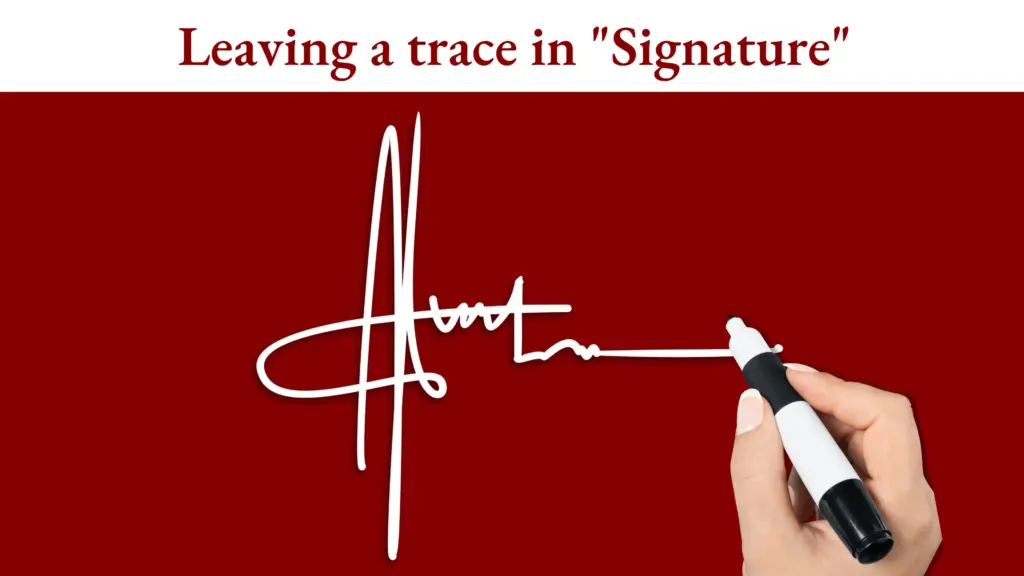
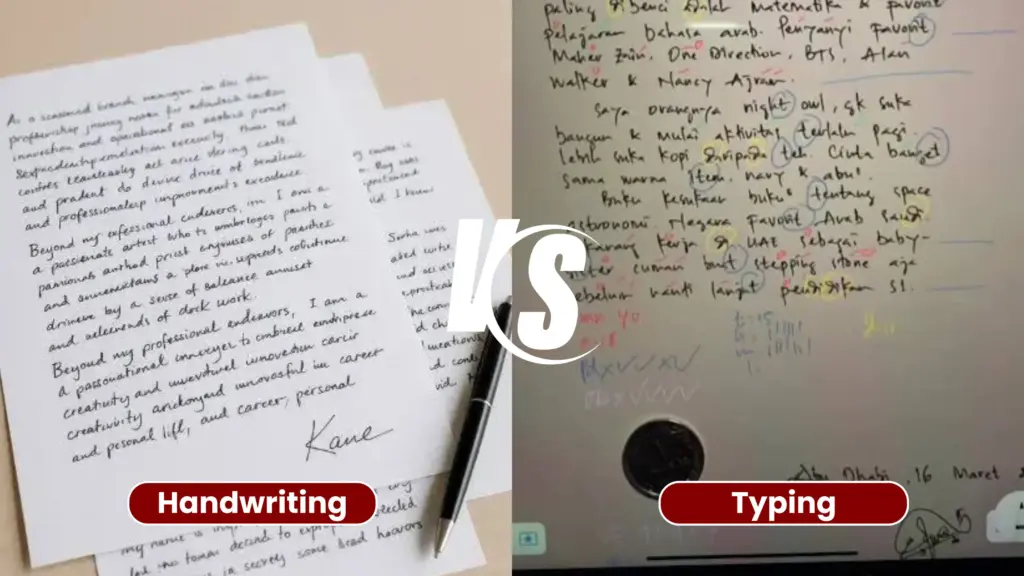
Handwriting also turns inner movement into visible marks. Both activities involve rhythm, pressure, pace, coordination and intention. Both of them can reveal when a person feels hurried, present, tentative or engaged. Neither begins only on the surface. They begin internally, then move outward through motion.
This is why creative acts often feel meaningful. They reconnect mind, body and awareness in a single process. The hidden psychological benefits of painting are not reserved for professional artists. They are available to anyone willing to slow down, make marks and stay present long enough to see what emerges.
Painting can calm attention, release emotion, reduce stress, build confidence, teach patience. Perhaps most importantly, it reminds us that creating something external can sometimes help restore something internal.
At Karohs School, expression is understood as more than appearance. It is a pathway to awareness, growth and self-understanding. Because sometimes, healing does not begin with finding the right words. Sometimes, it begins with color, movement and the courage to start. If you are ready to explore how patterns of expression can reveal deeper insight about yourself, join the Applicative Course and begin the journey here.