We’ve all experienced the familiar sting of procrastination: facing an important deadline or task, only to find themselves cleaning the desk, scrolling through social media, or tackling minor chores instead.
The prevailing myth in our productivity-obsessed culture is that strict self-discipline and guilt are the cure for delay. But, what if procrastination isn’t really about time management? What if it’s about how we feel?
Avoiding Task Means Avoiding Feeling
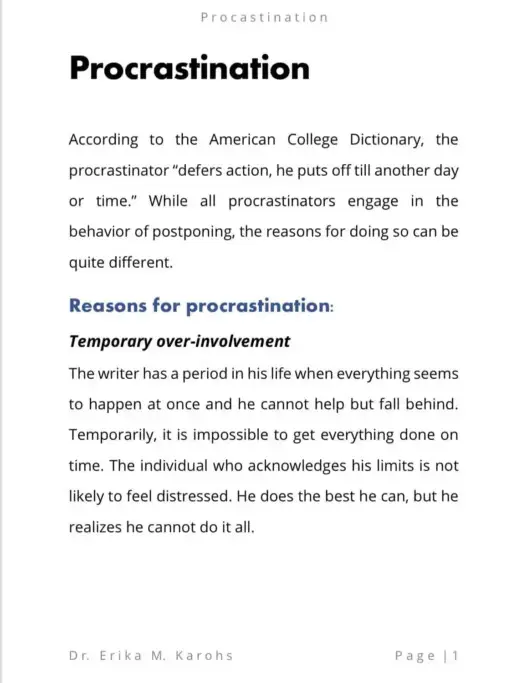
Have you ever put off an important task, only to spend hours thinking about it? You know what needs to be done, yet somehow, scrolling through your phone feels easier than getting started.
That’s because tasks can carry emotional weight. A work project might trigger fear of failure. An assignment might bring up feelings of inadequacy. Even a simple email can feel overwhelming when we’re worried how someone will respond.
Avoiding the tasks gives us temporary relief. For a moment, we don’t have to face the uncomfortable feeling attached to it.
But that relief rarely lasts. The task remains unfinished, and guilt, stress, and self-criticism begin to build. We ended up feeling worse than before.
The Emotion Behind Procrastination
Procrastination can have different emotional roots, depending on the person and the situation.
- Fear of Failure: “What if I try my best and still isn’t good enough?”. Delaying the task can protect us from confronting the possibility of failure.
- Perfectionism: “If I can’t do it perfectly, why start at all?”. High expectations can make even the first step feel intimidating.
- Feeling Overwhelmed: “I don’t even know where to begin”. When a task feels too big, avoidance can seem like the easiest option.
- Fear of Judgement: “What will people think of my work?. Sometimes we delay finishing something because finishing it means allowing others to evaluate it.
- Low Motivation or Emotional Exhaustion: “I don’t have the energy”. When we’re mentally drained, even manageable tasks can feel difficult to begin.
These emotions don’t explain every instance of procrastination, but they remind us that delaying a task can sometimes be connected to what we’re experiencing emotionally.
Why We Keep Putting Things Off
When an uncomfortable emotion appears, our natural response may be to move away from it. We might watch videos, clean our rooms, check messages, or find smaller task to do instead.
These activities can offer an immediate sense of comfort or accomplishment. Unfortunately, they don’t address the reason we were avoiding the original task.
The more we associate a task with negative emotions, the harder it can become to approach it . Eventually, we may start judging ourselves as lazy or incapable, adding another layer of emotional pressure that makes the first step even harder.
How to Break The Cycle Without Being Hard on Yourself
Overcoming procrastination doesn’t always begin with a stricter schedule. Sometimes, it begins with understanding what makes a task difficult to face.
- Ask yourself what you’re feeling?
Instead of asking, “Why am I so lazy?” try asking, “What do I feel when I think about doing this?”
Are you anxious, bored, uncertain, afraid of making mistakes, or simply exhausted? Knowing what you feel can help you understand what you need.
- Make the first step smaller.
You don’t have to finish the entire project today. Start by opening the document, writing one sentence, or start working for five minutes.
A small step can make a task feel less threatening and help you build momentum.
- You don’t have to be perfect
Give yourself permission to make a rough first draft, ask questions, or learn as you go. Progress often begins when you stop expecting yourself to have everything figured out.
- Practice self-compassion
Criticizing yourself for procrastinating can increase the very stress that makes you want to avoid the task in the first place. Try acknowledging the difficulty without turning it into a judgement about your character.
You can take responsibility for your actions without being hard on yourself.
- Learn to tolerate discomfort.
You don’t have to wait until you feel confident, motivated, or completely ready. Sometimes the goal is simply to begin while uncertain.
Learn to sit with discomfort, rather than immediately escaping it, can help you change your relationship with difficult tasks.
Understand Yourself Before You Judge Yourself
Procrastination isn’t always a sign you lack discipline. Sometimes it reflects a struggle with uncomfortable emotions, unrealistic expectations, or limited energy.
That doesn’t mean procrastination is harmless or that we should ignore our responsibilities. It means we may need a different approach to change it.
The next time you catch yourself putting something off, pause before calling yourself lazy. Ask yourself what you might be trying to avoid feeling.
Perhaps the task isn’t the only thing you’re struggling with. Perhaps it’s the fear, pressure, or uncertainty attached to it.
Sometimes, the first step toward getting things done is understanding what’s holding your back emotionally.
Want to understand the emotions behind your procrastination and discover what might be holding you back?
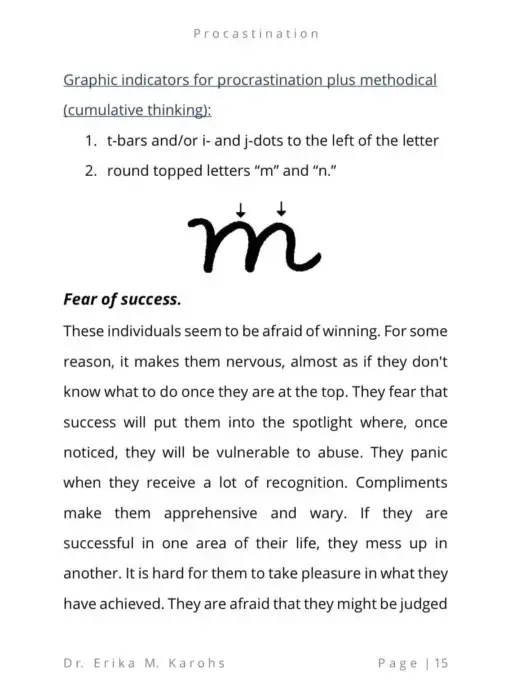
Read the full article to explore procrastination through the lens of graphology