When we think about dyslexia, most of us picture letters reversing, words jumping on a page, or children struggling to read aloud in front of the class. While reading and processing difficulties are common signs of dyslexia, the condition goes far deeper than a simple reading obstacle. It impacts visual-motor coordination, cognitive rhythm, and how the brain organizes information.
For parents and educators, finding effective ways to support individuals with dyslexia can feel overwhelming. Traditional tutoring can help, but what if there is an overlooked, complementary tool to target the very roots of how the brain and hand synchronize?
What is Dyslexia?
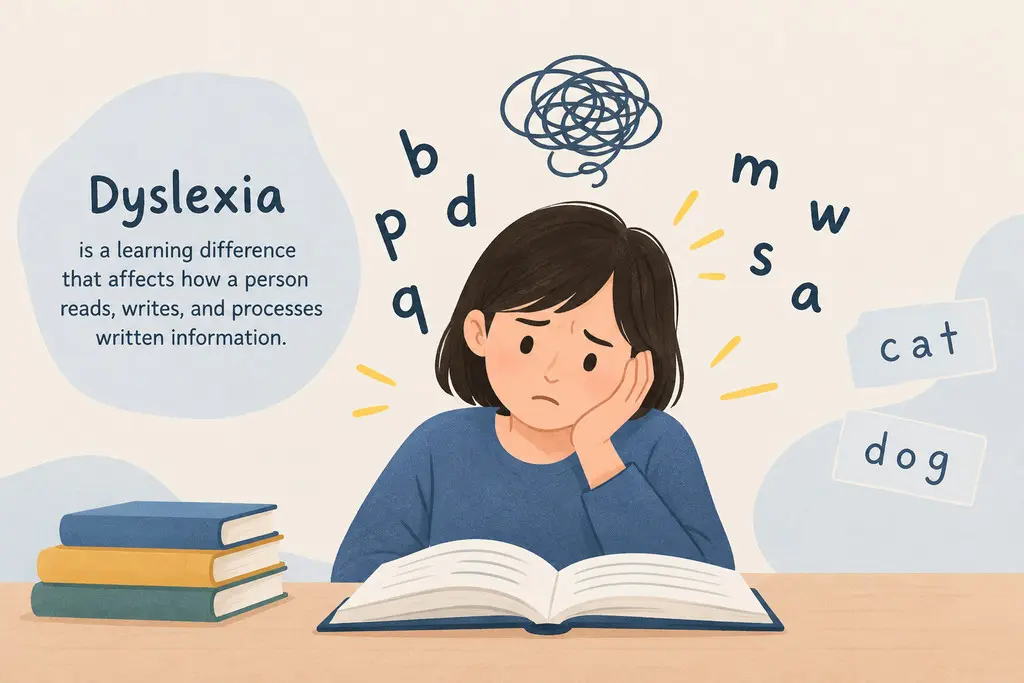
Dyslexia is a specific learning difficulty that primarily affects reading and spelling. It can make it harder for someone to recognize written words, connect letters with sounds, read fluently, and spell accurately.
Dyslexia is a neurological learning difference. It is not a sign of low intelligence, laziness, or a lack of motivation. Children with dyslexia can have many strengths and can learn successfully when they receive appropriate instruction and support.
Although dyslexia is often identified during childhood, it can also remain unrecognized until adolescence or adulthood.
According to the British Dyslexia Association, dyslexia may also affect information processing, memory, and organized skills. However, its characteristics and impact vary from person to person.
Why Early Understanding Matters?

When a child struggles with reading or spelling, it can be tempting to assume that they are not paying enough attention or are simply unwilling to learn.
However, repeatedly struggling with tasks that seem easy for others can be frustrating for a child.
Without the right support, this frustration may affect their confidence, motivation, and experience at school.
Understanding the reasons behind the difficulty helps parents and educators respond more constructively. Instead of focusing only on mistakes, they can identify specific challenges, provide appropriate learning opportunities, and recognize the child’s progress.
The goal is not to make every child learn in the same way. It is to help each child access learning in a way that supports their needs.
Can Handwriting Exercises Help Children with Dyslexia?
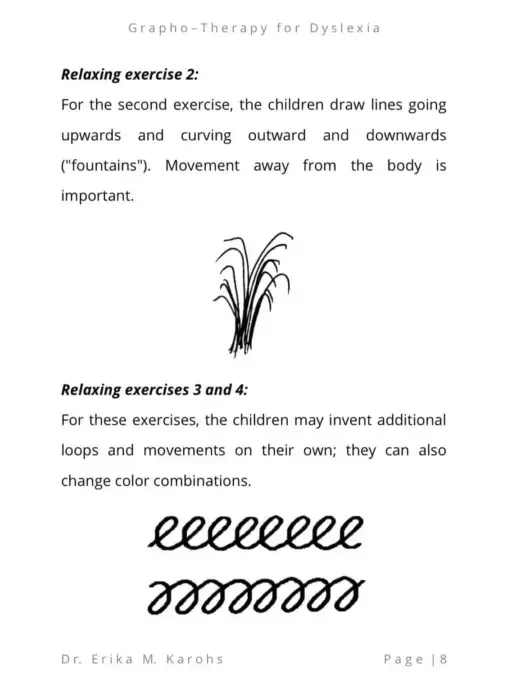
Handwriting is one area that parents may want to explore when supporting a child who experiences literacy challenges.
Handwriting practice can provide opportunities to work on letter formation, motor coordination, and familiarity with written symbols. However, dyslexia primarily affects reading and spelling, and handwriting difficulties do not necessarily indicate dyslexia.
It is also important to understand that handwriting exercises alone are not established treatment for dyslexia. Evidence-based reading instruction remains central to supporting children with dyslexia.
For parents and educators, interested in exploring the relationship between handwriting exercises and learning, additional education resources can offer useful topics for further study.
Explore Grapho-Therapy Exercises for Dyslexia
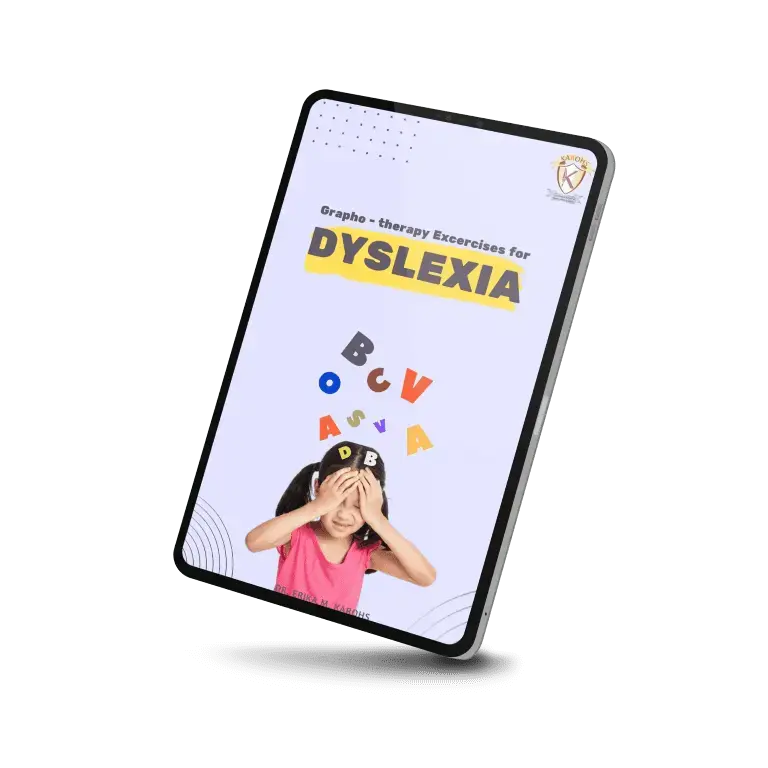
If you would like to learn more about dyslexia and explore handwriting-based exercises, KAROHS International School of Handwriting Analysis offers an educational resource titled Grapho-Therapy Exercises for Dyslexia.
This eBook discusses dyslexia, how it may manifest, approaches used in schools to address learning-related difficulties, and the potential role of handwriting exercises in supporting writing rhythm.
Interested in learning more?
Explore Grapho-Therapy Exercises for Dyslexia by KAROHS International School of Handwriting Analysis.
Please note: This resource is for educational exploration. Grapho-Therapy should not be represented as a proven treatment or cure for dyslexia, and it should not replace assessment by qualified professionals or evidence-based literacy instruction.
References
- British Dyslexia Association — What Is Dyslexia?
- NHS — Dyslexia in Children
- Healthdirect Australia — Dyslexia: Signs, Diagnosis, and Treatment